

In the past year I have sat with business owners who are juggling three pressures at once. Energy bills that swing from quarter to quarter. A grid connection that holds back growth plans. Staff and customers who are asking harder questions about climate and credibility.
While leaders gather in Belém for COP30, this is where climate policy becomes real. Not in negotiation halls in the Amazon, but in Irish factories, hotels, shops and homes where energy decisions are made every day.
COP30 sends a simple message. The age of the passive energy customer is over. Over the next decade, Ireland will be judged not only on our national targets, but on how every business and household actually uses energy hour by hour. That will shape the price you pay, the finance you can access and the trust your brand can claim.
Europe has raised the bar. Now delivery matters.
The EU has set a 90 percent emissions cut for 2040. It is a strong signal. Ireland has backed a global plan to move off fossil fuels. These decisions point in one direction. More electrification. Deeper efficiency. Greater scrutiny of both energy use and climate claims.
But here is the uncomfortable truth. Targets do not lower bills. Real action does. Every time you install a new boiler, expand a site or replace a fleet, you are either aligning with where Europe is going or fighting against it.
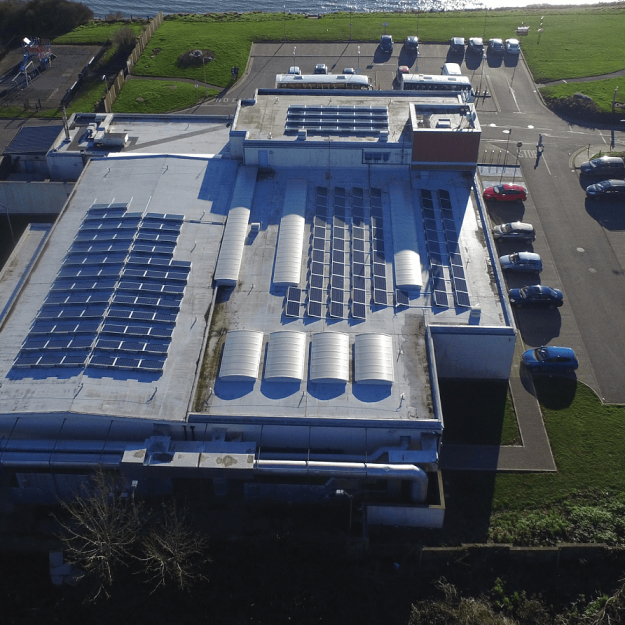
From our vantage point as a renewable supplier, we see both sides. Some businesses are moving early. They are installing solar, signing renewable contracts and using data to cut waste. They treat energy as a strategic input, not a background cost. Others still shop on price alone. They switch supplier once a year and hope for the best. In a COP30 world, that is a risky strategy.
Climate credibility will sit in your meter data, not your ESG report.
One of the clearest shifts after COP30 will be the move from promises to proof. Banks, regulators and big customers will want to see how and when you use energy, not just the headline number for the year. Ireland is part of this shift. Europe is pushing for stronger disclosure. Insurers are factoring climate risk into pricing. Supply chains are being cleaned up.
This is where the real gap lies. Many Irish businesses talk about sustainability. Far fewer can show consistent reductions in demand or verifiable renewable supply. The companies that can prove this will win. The companies that cannot, will face tougher questions.
What we see in the data
Across the thousands of meters we manage, a few patterns stand out:
- Most businesses still have predictable waste patterns during off hours.
- Many sites run equipment at full load even when it is not needed.
- Simple shifts, like moving certain processes outside peak times, can cut costs without hurting output.
- On-site solar combined with a renewable contract creates stability that price shopping never will.
The strongest performers are the ones who treat energy as something they actively manage, not something that happens to them.
A practical playbook for Irish businesses
If I were running your energy plan for the next 24 months, I would focus on three moves:
- Electrify with a clear roadmap
Replace equipment that locks you into fossil fuels. Do it on a planned schedule, not in a scramble when something breaks. - Turn your site into an energy asset
Install solar where it makes sense. Match the rest of your load with guaranteed renewable supply. Think long term, not tariff to tariff. - Use your data
Look at when you use energy, not just how much. Small shifts in timing and behaviour make a bigger difference than most people think.
These steps are not abstract. We see Irish businesses do them every month. Costs come down. Resilience goes up. Risk drops.
The real lesson from Belém
COP30 will not send Irish businesses a bill. But your grid operator will. Your lender will. Your biggest customer will. The question is whether you are ahead of that curve or behind it.
The message from Belém is clear. The next phase of climate action will be measured in actions you can verify and in demand you can control. If Ireland leans into that now, we can turn a global challenge into a competitive advantage. If we wait, the transition will be harder, faster and more expensive.
The choice is ours.